

Nonwoven Textiles: Principles, Manufacturing Processes, and Applications
Introduction to Nonwoven Textiles
Nonwoven textiles are engineered fabrics made
directly from fibers without converting them into yarns or using traditional
weaving or knitting processes. Instead, fibers are bonded mechanically,
thermally, or chemically to form a fabric structure. Due to their
versatility, cost-effectiveness, and performance-driven design, nonwoven
textiles have become one of the fastest-growing segments in the global textile
industry.
Today, nonwovens play a vital role in hygiene, medical,
automotive, filtration, construction, agriculture, fashion, and technical
textiles.
Principle of Nonwoven Textiles
The basic principle of nonwoven textile manufacturing
involves web formation followed by bonding.
- Fiber
Web Formation
Fibers are arranged into a thin sheet or web using mechanical, aerodynamic, or electrostatic methods. - Web
Bonding
The loose fiber web is bonded using mechanical entanglement, heat, or chemicals to provide strength, integrity, and durability.
Unlike woven or knitted fabrics, nonwovens rely on fiber-to-fiber
bonding rather than yarn interlacing, allowing faster production and
tailored properties.
Raw Materials Used in Nonwoven Textiles
Nonwoven fabrics can be made from a wide range of fibers,
including:
- Natural
fibers: cotton, jute, wool
- Synthetic
fibers: polyester, polypropylene, nylon, viscose
- Recycled
fibers
- Biodegradable
fibers
The choice of fiber depends on the required strength,
softness, absorbency, durability, and end-use application.
Nonwoven Textile Manufacturing Processes
1. Web Formation Methods
a) Dry-Laid Process
Fibers are opened, blended, and laid into a web using
carding or air-laying techniques.
Applications: wipes, interlinings, filters
b) Wet-Laid Process
Fibers are dispersed in water and deposited onto a screen,
similar to papermaking.
Applications: tea bags, medical fabrics, filtration media
c) Polymer-Laid (Spun-Laid) Process
Fibers are formed directly from polymers.
- Spunbond
- Meltblown

Applications: hygiene products, medical masks,
geotextiles
2. Web Bonding Techniques
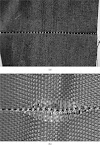
a) Mechanical Bonding
- Needle
punching
- Hydroentanglement
(spunlace)
%20method.jpg)
Provides strength without chemical binders.
b) Thermal Bonding
Heat is used to melt thermoplastic fibers and bond them
together.
Common in hygiene and medical products.
c) Chemical Bonding
Adhesives or binders are applied to the web.
Used where specific stiffness or durability is required.
Types of Nonwoven Fabrics
- Spunbond
nonwovens
- Meltblown
nonwovens
- Spunlace
(hydroentangled) nonwovens
- Needle-punched
nonwovens
- Thermal-bonded
nonwovens
Each type offers distinct properties such as softness,
strength, filtration efficiency, and absorbency.
Key Properties of Nonwoven Textiles
Nonwoven fabrics are engineered to deliver specific
performance features:
- Lightweight
structure
- High
production efficiency
- Cost-effectiveness
- Controlled
porosity
- Good
absorbency
- Softness
or stiffness as required
- Disposable
or durable options
Applications of Nonwoven Textiles

1. Medical and Hygiene Products
- Face
masks
- Surgical
gowns
- Disposable
caps
- Baby
diapers
- Sanitary
napkins
2. Automotive Industry
- Car
upholstery
- Interior
linings
- Insulation
materials
3. Filtration and Protection
- Air
and liquid filters
- Dust
masks
- Industrial
protective clothing
4. Construction and Geotextiles
- Road
reinforcement
- Drainage
layers
- Roofing
membranes
5. Agriculture
- Crop
covers
- Weed
control fabrics
- Seed
blankets
6. Apparel and Fashion
- Interlinings
- Shoe
components
- Synthetic
leather backing
Advantages of Nonwoven Textiles
- Faster
production compared to woven and knitted fabrics
- Customizable
fabric properties
- Lower
manufacturing cost
- Wide
range of industrial applications
- Suitable
for disposable and reusable products
Nonwoven Textiles and Sustainability
Modern nonwoven production is increasingly focused on:
- Recycled
raw materials
- Biodegradable
polymers
- Reduced
water and energy consumption
- Eco-friendly
bonding technologies
These developments make nonwovens an important contributor
to sustainable textile solutions.
Future Trends in Nonwoven Textiles
- Growth
in medical and hygiene demand
- Advanced
filtration materials
- Smart
and functional nonwovens
- Increased
use of bio-based fibers
- Lightweight
automotive materials
Conclusion
Nonwoven textiles represent a revolutionary shift in
textile manufacturing, offering flexibility, performance, and efficiency
unmatched by traditional fabrics. With continuous innovation in processes,
materials, and applications, nonwoven fabrics are set to play a crucial role in
the future of the global textile industry.






0 Comments
If you have any doubts, please don't hesitate to ask